By William Elliott, PhD, Correctional Mental Health Consultant and Trainer Physicians, nurses, mental health professionals, and other health care employees who work in jails
Dec 1, 2020
Correctional Medicine’s Movers & Shakers: CCHP-Ps
The CCHP-P program was launched in 2015 to give correctional physicians (the second P in CCHP-P) an opportunity to earn a credential that acknowledges
Nov 30, 2020
NCCHC Foundation Receives Grant From Bureau of Justice Assistance to Address Substance Use Disorder in Jails
The Bureau of Justice Assistance Comprehensive Opioid, Stimulant, and Substance Abuse Program has selected the NCCHC Foundation as the lead organization for creation of
Nov 23, 2020
NCCHC Foundation Scholarship Winners Say Thank You
In keeping with one area of the NCCHC Foundation’s focus – scholarships, opportunities for continuing education, and workforce development – 30% of all funds
Nov 17, 2020
NCCHC’s New Board Chair Shares His Thoughts about Coping with COVID-19
by Joseph V. Penn, MD, CCHP-MH: I was recently asked how correctional health care has changed since the last time I was NCCHC chairman
Nov 17, 2020
Award Winners Honored at Virtual National Conference
NCCHC announces outstanding individuals, facilities, and programs in correctional health care during a virtual awards ceremony.
Jun 30, 2026
The Art and Science of Attracting and Retaining Correctional Health Professionals
In high-stress situations, staff need to know they are supported.
Jun 24, 2026
PTSD Awareness Month: Seeing Trauma Clearly in Correctional Health Care
Facilities have the opportunity to reduce harm and break cycles.
Jun 23, 2026
Guest Editorial: 1115 Waivers, 5121 Planning Grants, Care Coordination, and Why They Should Matter to Everyone
Medicaid reentry waivers and planning grants can help people leave custody with care already in place.
Jun 11, 2026
Men’s Health Week: Addressing Years of Unmet Health Needs
This Men’s Health Week, we recognize the essential role correctional health professionals play in improving health outcomes for men during incarceration and beyond.
May 27, 2026
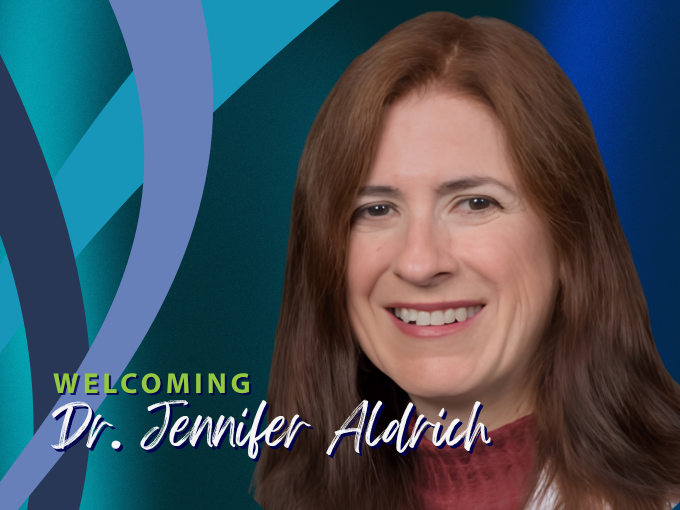
Dr. Jennifer Aldrich Appointed to NCCHC Board of Representatives
Dr. Aldrich is a professor of clinical medicine and a nationally respected leader.
May 13, 2026
NCCHC Releases New Video Highlighting the Benefits of Accreditation
Quality improvement, risk reduction, professional accountability, and better health outcomes for incarcerated patients.