Free Resource for Sexual and Reproductive Health Questions for Health Care Providers
ReproHH, a FREE, confidential hotline for health care providers nationwide, is now available. Whether you’re a clinician or a community health worker, you can
Aug 22, 2025
Nurse Executive Tara Taylor Elected to NCCHC CCHP Board of Trustees
YesCare Regional Vice President Tara Taylor, MSML, RN, CCHP will serve from 2025-2028.
Aug 21, 2025
Free Estate Planning
Create your legally valid will or trust in about 20 minutes for free.
Aug 18, 2025
“Shorter Is Better”: The Movement to Decrease Unnecessary Antibiotic Use
Antibiotic stewardship is an approach aimed at decreasing the use of unnecessary antibiotics.
Aug 6, 2025
Answer the Call: Submit Your Proposal for the NCCHC Spring Conference!
Help shape the future of correctional health care.
Aug 5, 2025
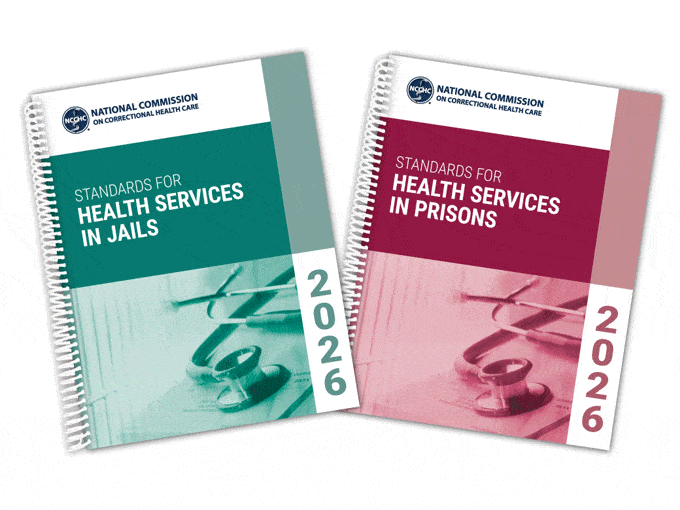
NCCHC Releases 2026 Jail/Prison Health Standards, Introducing Digital Format, Key Enhancements, and New Requirements
The 2026 edition of the Standards for Health Services are available.
Jun 30, 2026
The Art and Science of Attracting and Retaining Correctional Health Professionals
In high-stress situations, staff need to know they are supported.
Jun 24, 2026
PTSD Awareness Month: Seeing Trauma Clearly in Correctional Health Care
Facilities have the opportunity to reduce harm and break cycles.
Jun 23, 2026
Guest Editorial: 1115 Waivers, 5121 Planning Grants, Care Coordination, and Why They Should Matter to Everyone
Medicaid reentry waivers and planning grants can help people leave custody with care already in place.
Jun 11, 2026
Men’s Health Week: Addressing Years of Unmet Health Needs
This Men’s Health Week, we recognize the essential role correctional health professionals play in improving health outcomes for men during incarceration and beyond.
May 27, 2026
Dr. Jennifer Aldrich Appointed to NCCHC Board of Representatives
Dr. Aldrich is a professor of clinical medicine and a nationally respected leader.
May 13, 2026
NCCHC Releases New Video Highlighting the Benefits of Accreditation
Quality improvement, risk reduction, professional accountability, and better health outcomes for incarcerated patients.