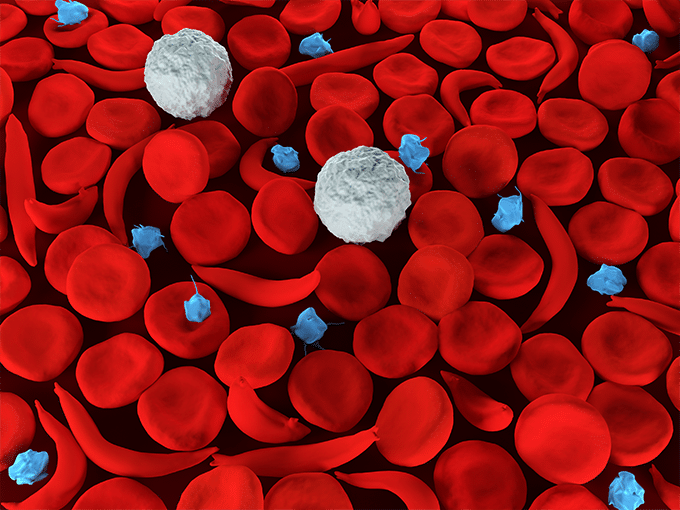
Correctional health care professionals working in diverse carceral settings have had little guidance on the care for people living with sickle cell disease (SCD). People living with SCD often experience painful, recurrent vaso-occlusive crises, chronic organ damage, and complex psychosocial burdens. The need to provide high-quality acute care and chronic disease management becomes even more critical for incarcerated individuals living with SCD.
A new NCCHC position statement offers clear guidance and a call to action. Care for People With Sickle Cell Disease in Correctional Settings addresses the unique needs of people with SCD, underscoring the need for structured workflows, sustained monitoring, and patient-centered implementation.
The position statement consolidates current guidelines and evidence to provide guidance for:
- Screening all people for blood disorders at medical intake in any carceral setting.
- Establishing comprehensive care for people who have SCD.
- Establishing protocols and guidelines for recognizing and managing vaso-occlusive crises.
- Ensuring proper hydration and temperature control, and ensuring the patient avoids strenuous activity.
- Identifying and managing acute SCD-related complications, such as medical emergencies requiring hospital transfer.
- Consistent with NCCHC’s position, people with SCD should not be charged fees for services.
- Supporting transition to comprehensive SCD care in the community on reentry.
Each of these steps is discussed in detail in the position statement.
NCCHC believes that this position statement will serve as a valuable, evidence-informed guide for identifying and managing the needs of people with SCD in jails, prisons, and juvenile facilities. Implementating these recommendations will promote the health of individuals with SCD in the carceral setting and ensure that they receive timely and appropriate care. We encourage all health care professionals in these settings to review and implement the recommendations.
By Kevin Fiscella, MD, MPH, professor or family medicine at the University of Rochester Medical Center and the American Society of Addiction Medicine liaison to the NCCHC Board of Representatives, with coauthors Yoseph Boku, Harvard Medical School student; Ashley Jenkins, MD, MSc, assistant professor of medicine and pediatrics, University of Rochester School of Medicine and Dentistry; Yvane Ngassa, third-year medical student, Tufts University School of Medicine; Amy Sobota, MD, MPH, associate professor of pediatrics, Boston University Chobanian & Avedisian School of Medicine; and Amelita Woodruff, MD, assistant professor of medicine, Johns Hopkins University School of Medicine.