by Keith Ivens, MD
2026 chair of NCCHC’s Board of Representatives
In 1996, my first year with the Indiana Department of Correction, I was introduced to the National Commission on Correctional Health Care as an organization that was working to push our field higher. With NCCHC, I was thrilled to find like-minded individuals who wanted to serve incarcerated patients and improve communities by returning those individuals prepared to manage their health needs.
Back then, correctional health care was in a very different place. Some facilities struggled to provide even minimal levels of acceptable care. But over the past three decades, the field has made tremendous progress. We no longer have to rely on court mandates to drive improvement. Today, NCCHC leads the way in setting standards that define and elevate quality care in corrections, and I am deeply honored to serve as the 2026 NCCHC Board chair.
Like so many physicians who are dedicated to serving the underserved, I have found working in jails and prisons to be challenging and deeply fulfilling. As a correctional physician, my philosophy has always been to treat our patients with respect and give them the education and encouragement they need to make better health decisions. Maybe that will help empower them to make better decisions in other parts of their lives as well and avoid reincarceration. That might sound naïve, but the hope to have a positive impact on patients’ lives is the reason I – and many of us – went into medicine in the first place.
Potential Opportunities
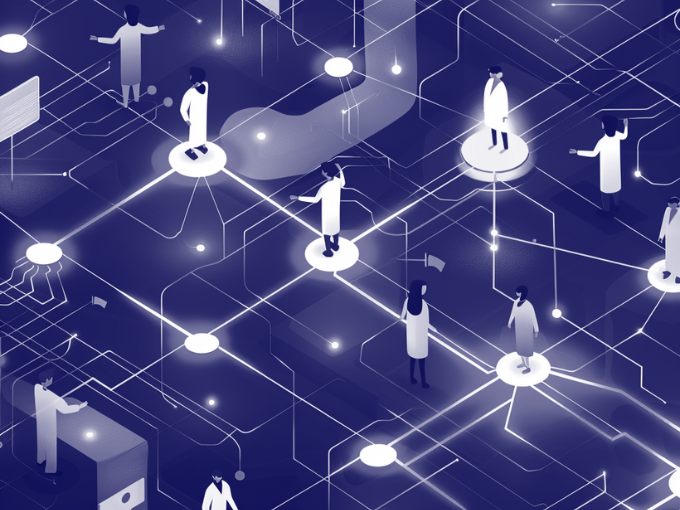
In the coming year, the Board and I will be examining the role of artificial intelligence and exploring how this rapidly evolving technology can be leveraged to enhance correctional health care operations and outcomes.
The potential applications are exciting. AI could streamline intake assessments, triage, and health care screenings by helping clinicians identify urgent cases more efficiently. Predictive analytics may enable better tracking of chronic conditions such as diabetes, asthma, and hypertension, ultimately reducing complications and improving patient outcomes. Telehealth could also be strengthened through AI-driven translation and transcription tools, allowing for more effective and accessible remote care.
In the realm of mental health, AI-powered monitoring could help identify individuals at risk for suicide, while digital cognitive-behavioral therapy platforms and other evidence-based tools could supplement traditional counseling.
AI also presents promising opportunities for reentry, an area we know is essential for sustained health and successful reintegration. Personalized AI-driven education platforms could support vocational and academic learning. And intelligent systems could facilitate the secure transfer of health records at release, ensuring continuity of care and connecting individuals with vital health, housing, and employment resources.
As a field, we have both an opportunity and a responsibility to thoughtfully explore how these technologies can advance our mission and improve the lives of those we serve.
I want to be clear: no machine can ever do what you do. It can’t build trust, offer empathy, or truly understand the human condition. But as we face growing challenges — staffing shortages, limited budgets, and rising demand — AI can help lift some of the burden. It can give us back time, sharpen our focus, and strengthen our ability to deliver care that changes lives.
Keith Ivens, MD, is the 2026 chair of NCCHC’s Board of Representatives and board liaison of the American College of Correctional Physicians.
This article originally appeared in the Spring 2026 issue of CorrectCare magazine.