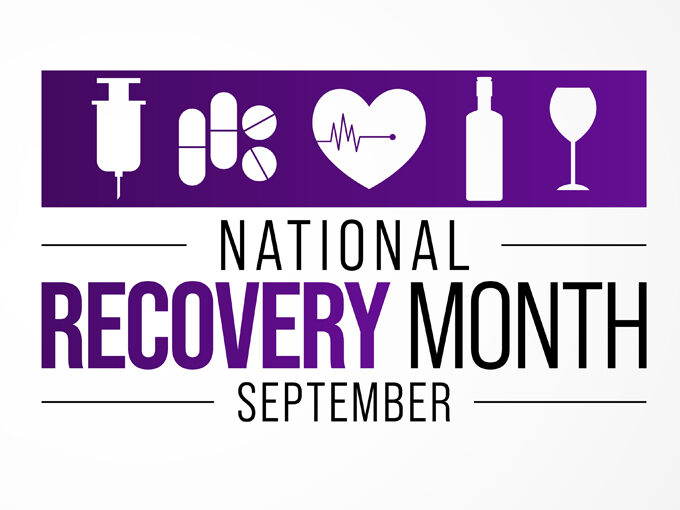
Each September, National Recovery Month recognizes the millions of people living in recovery from substance use and mental health conditions and highlights the importance of making effective treatment and recovery support available to everyone who needs it.
For correctional health professionals, the message is particularly relevant. Substance use disorders are common among people entering jails and prisons, and incarceration can provide an important opportunity to identify individuals who need treatment, initiate evidence-based care, and connect patients with services that can support recovery after release.
Treatment During Incarceration Matters
Effective treatment for substance use disorders is health care. In correctional settings, that includes appropriate screening and assessment, evidence-based treatment, access to medications for opioid use disorder when clinically indicated, behavioral health services, and ongoing monitoring and support.
It also requires collaboration. Health professionals, behavioral health staff, custody personnel, administrators, and community providers all have roles in creating an environment that supports treatment and recovery.
Reducing stigma is part of that work. Substance use disorder is a chronic, treatable health condition, and people receiving treatment should have the same opportunity for respectful, clinically appropriate care as patients with other health conditions.
Recovery Doesn’t End at Release
The transition from custody to the community is a particularly important time. Disruptions in treatment, medication, housing, insurance coverage, transportation, and connections to community providers can undermine progress made during incarceration and increase the risk of poor health outcomes.
Strong reentry planning can help bridge that gap. Whenever possible, planning should begin well before release and include medication continuity, appointments with community providers, assistance accessing health coverage and other benefits, and connections to behavioral health, substance use treatment, peer support, housing, and other services.
The goal is not simply to provide a list of referrals. It is to create a realistic pathway that helps people continue their care once they return to the community.
Correctional Health Care Is Part of the Recovery Continuum
Recovery Month is an opportunity to recognize the professionals working every day to provide treatment and support in correctional settings. Their work can have an impact that extends well beyond a patient’s time in custody.
Correctional facilities are an important part of the broader health care and public health systems. By identifying substance use disorders, providing evidence-based treatment, supporting continuity of care, and strengthening connections to community services, correctional health professionals can help patients take meaningful steps toward long-term recovery.
This September, National Recovery Month offers a reminder that recovery is possible — and that access to quality care, whether in the community or behind the walls, can help make it possible.
Free Resources
Jail Guidelines for the Medical Treatment of Substance Use Disorders 2025
A Call for Persistence: The NCCHC Foundation Reentry Toolkit (Coming soon: sign up for notification.)