
- This event has passed.
Webinar: Brain Injuries: Are You Recognizing the Signs & Offering Support?
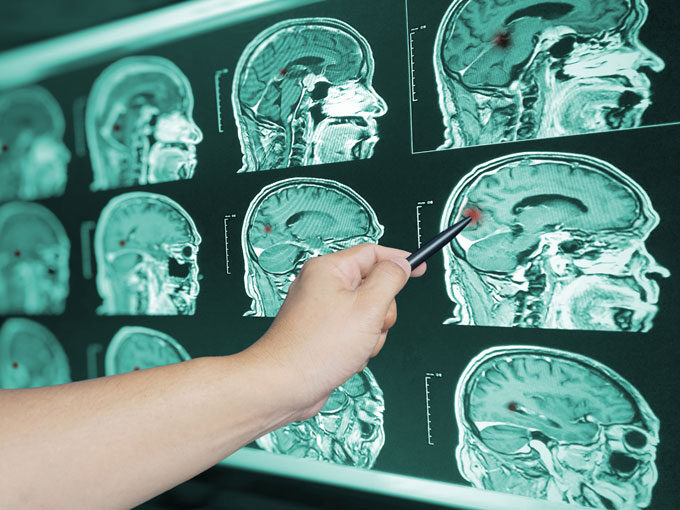
Traumatic brain injury (TBI) is highly prevalent among justice-involved populations, yet it often goes unrecognized and untreated in correctional settings. Many individuals with TBI experience cognitive, emotional, and behavioral symptoms—such as memory problems, slowed processing, impulsivity, or difficulty following instructions—that are frequently misinterpreted as noncompliance, leading to disciplinary actions and disrupted access to programming.
This webinar will present practical strategies for systematic TBI identification and management in correctional facilities. Participants will learn about a three-tiered screening and assessment approach: (1) brief universal intake screening, (2) symptom-based assessment tools, such as the TBI Symptom Screener for Corrections, and (3) targeted clinical evaluation, including cognitive and vestibular/ocular-motor assessment.
Presenters will also highlight interventions and Americans with Disabilities Act–compliant accommodations that correctional staff, medical teams, and behavioral health providers can implement immediately, including communication adjustments, environmental modifications, structured routines, and cueing supports. The session will provide examples of state-level models that integrate screening, staff training, and TBI-informed reentry planning to improve safety, reduce disciplinary incidents, and support successful transitions back to the community.
Panelists
Doug Major, OD, CCHP is a neuro-optometrist practicing in Los Osos, California. A certified correctional health provider, he is a staff optometrist at the San Luis Obispo County Jail. Dr. Major has provided vision care in federal, state, and county correctional facilities for adults and at-risk youth. He has been involved in research at the California Youth Authority, the Grizzly Youth Academy, and the San Luis Obispo County Jail. Dr. Major has presented at the International Correctional Education Association, American Academy of Optometry, Stanford Concussion Summit, Neuro-Optometric Rehabilitation Association, and the Society for Brain Mapping and Therapeutics international meetings. He was the national co-chair for the College of Optometry’s Visual Development Juvenile Delinquency Committee and is currently a volunteer group leader at Atascadero State Hospital. He also founded the NORA Justice Treatment Committee and is involved with his local National Alliance on Mental Illness chapter.
Kelly Sarmiento, MPH serves as the Director of Outreach Programs at the Brain Injury Association of America. In this role, she conducts research and leads educational efforts to protect Americans from brain injuries and the potentially devastating effects of these injuries. Ms. Sarmiento holds a Master of Public Health degree from the Yale School of Public Health. She has authored more than 150 scientific articles, developed more than 100 educational products and tools, and has received numerous awards for her work in public health.
Webinar Fee:
$69 ($59 for CCHPs), includes access to the power point presentation, the webinar recording and CE credit – 1.00 hours for ACCME, ANCC, APA, and General (CCHP and others).