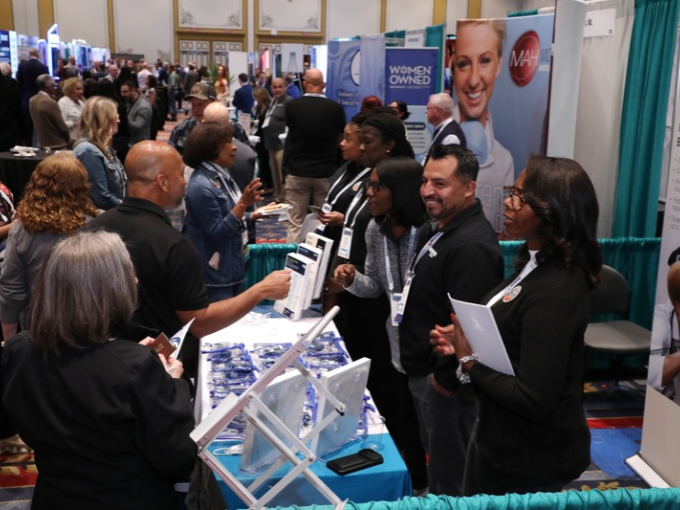
The NCCHC National Conference on Correctional Health Care celebrated its 50th anniversary in Las Vegas. The milestone event brought together 1,542 correctional health professionals, the most attendees since 2010. In addition, 206 people attended the all-day preconference seminar on the 2026 Standards for Health Services for Jails/Prisons, showing high interest in understanding and applying best practices in health care and reducing adverse outcomes.
90% of conference attendees said they gained knowledge that will enhance their professional practice and 91% said this event gave them an opportunity to learn from, with, and about, others on the healthcare team. Known for its energy, innovation, and world-class hospitality, Las Vegas provided the perfect backdrop for five extraordinary days of professional growth, inspiration, and connection.
Additional preconference seminars highlighting mental health standards, early detention, continuity of care, and suicide precautions were well attended, and one attendee said, “I feel it will help me take better care of my patients and help educate the jail on up-to-date information.”
Estelle v. Gamble Impact
This year’s opening session was especially meaningful as NCCHC recognized 50 years since the landmark Estelle v. Gamble decision. The Estelle v. Gamble Supreme Court decision in 1976 established that deliberate indifference to the serious medical needs of incarcerated individuals violated the Eighth Amendment. It brought national attention to the responsibility to provide health care in correctional settings and reinforced the need for meaningful standards and accountability.
Dr. Jay Harness, MD, first elected Chair of the NCCHC Board, joined in for opening remarks. “To everyone here today, I want you to recognize the impact of what you do every day. The standards you uphold, the programs you develop, and the care you provide affects millions of lives—not only those people who are incarcerated, but also their families and the communities to which they return,” said Dr. Harness.
Risk Management, Clinical Decision-Making, and Emerging Health Issues Prioritized
The conference’s best-attended sessions reflected the issues top of mind for today’s correctional health professionals: patient safety, clinical decision-making, risk management, and quality care. Sessions on intake screening, synthetic drugs, restrictive housing, diabetes management, and legal liability drew strong participation, highlighting the profession’s commitment to staying ahead of emerging challenges and implementing proven practices that improve care and reduce risk in correctional settings.
Attendees left sessions energized with actionable recommendations to improve patient healthcare. “Dr. Berk’s lecture on hepatitis C testing and treatment updates was eye-opening. I will be reviewing the papers he presented and finding ways for our team to be as aggressive as possible with diagnosing and treating hepatitis C.”
A Stronger Community Through Networking and Collaboration
Beyond the educational sessions, the National Conference provided a collaborative space for professionals to connect, inspire, and learn from one another.
This year:
-
- 95% said they had adequate networking opportunities
-
- 35% of attendees visited the exhibit hall more than 3 times
-
- 83% said they learned more about new products and services
-
- 117 exhibiting companies joined in the exhibit hall
-
- 20 first-time exhibitors took part in conversations with attendees
Attendees valued opportunities to connect with influential professionals in the field. “These conversations will help me shape how I offer services and support.”
Takeaways to Strengthen Correctional Health Care
Conference attendees return to their organizations with fresh perspectives, practical strategies, and renewed inspiration to advance correctional health care.
According to post-conference evaluations:
-
- 86% said the conference enhanced their competence
-
- 85% said it will improve patient outcomes
-
- 90% believe the conference met its educational objectives
Attendees highlighted topics they intend to implement, including:
-
- Review and implementation of new Standards
-
- Collaborative approach and improved communication between corrections and healthcare teams
-
- Risk factors identified during intake and how to improve patient safety
-
- Documentation and legal improvements
-
- Addressing moral injury
-
- Intake process improvements
-
- Mentorship and employee engagement
“This conference provided the necessary information that I needed to become up to date with many of the correctional health issues that are occurring now.”
Remembering the Past, Looking to the Future
The 50th anniversary of the National Conference provided attendees with the opportunity to remember, review, and acknowledge how far the field has come in the past five decades. As we think about the future, we need to continue examining our standards to ensure they remain practical, relevant, and focused on the areas that have the greatest impact on patient care and patient safety.
“The strong participation in educational sessions demonstrates the commitment of correctional health professionals to continuous learning, collaboration, and improving care in their facilities. Celebrating this milestone allowed us to honor the progress we’ve made together while reaffirming our vision for the future. I am deeply grateful to our exceptional speakers, committed volunteers, generous sponsors and exhibitors, and all who contributed to making this landmark conference such a memorable success,” said Deborah Ross, CCHP, NCCHC Chief Executive Officer.
Join Us
NCCHC’s conferences offer multiple opportunities to stay engaged and continue learning:
- Virtual Winter Conference
December 2–3, 2026 | Online - NCCHC/AJA Virtual Conference
February 25–26, 2027 | Online - Spring Conference on Correctional Health Care
April 3–6, 2027 | San Diego, CA - Correctional Mental Health Care Conference
August 1–3, 2027 | Indianapolis, IN - National Conference on Correctional Health Care
October 30–November 3, 2027 | Atlanta, GA
Visit ncchc.org for details.